Understanding Problematic Porn Use
Lets get straight to the point, problematic porn use is one of those topics that people often carry a lot of shame about — usually in silence. Many people struggle with sexual behaviors that feel out of control, confusing, compulsive, or disconnected from their values.
Human sexuality is complicated. People engage in sexual behaviors for many reasons: pleasure, escape, stress relief, emotional regulation, numbness, loneliness, self expression, curiosity, validation, or coping. That doesn’t make someone bad or defective. It makes them human.
Moral Incongruence vs. Sexual Compulsions
One of the most important distinctions in this conversation is the difference between moral incongruence and sexual compulsivity.
Moral Incongruence
Moral incongruence happens when someone’s sexual behavior conflicts with their beliefs, values, culture, religion, or identity. A person may not actually be engaging in compulsive behavior, but they still experience intense guilt or distress because they believe they “shouldn’t” be watching porn. For example, you might wath porn occasionally, feel overwhelming shame afterward, believe you are “addicted",” and spiral into self-criticism or fear.
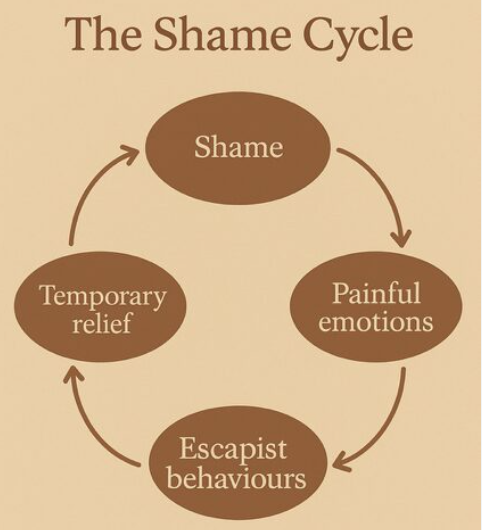
In these situations, the distress may come less from the behavior itself and more from the internal conflict surrounding it. This matters because shame can sometimes create the very cycle people are trying to escape. Shame often increases secrecy, isolation, anxiety, and emotional overwhelm — all of which can drive people back toward coping behaviors.
Sexual Compulsions or Out-of-Control Sexual Behavior
On the other hand, some people genuinely feel unable to control sexual behaviors despite negative consequences. They may find themselves repeatedly returning to porn or other sexual behaviors even when they strongly want to stop. This can look like spending hours consumed by porn use, escalating use despite emotional distress, using porn to numb difficult emotions, difficulty stopping despite repeated attempts, interference with relationships, sleep, work, or daily functioning.
In these cases, the issue is often less about morality and more about regulation, coping, attachment, stress, trauma, loneliness, or nervous system overwhelm.
Again, this does not mean someone is broken or beyond help.
Um okay, so what can we do about it?
A liberation-based and strength-centered approach recognizes that sexuality itself is not the enemy. Sexual desire is not inherently dangerous. Watching porn is not automatically unhealthy. And struggling with sexual behavior does not make someone weak, immoral, or “damaged.”
Many people were taught to fear or suppress sexuality altogether. Others never learned healthy emotional coping skills, nervous system regulation, or ways to meet needs for connection and comfort. Sometimes porn becomes the easiest available strategy for relief.
Instead of asking:
“What’s wrong with me?”
It can be more healing to ask:
“What is this behavior doing for me right now?”
That shift opens the door to curiosity instead of shame.
A Few Helpful Strategies
There is no one-size-fits-all solution, but here are a few approaches that can help:
1. Identify the Pattern, Not Just the Behavior
Try noticing:
What emotions tend to come before porn use?
What time of day is hardest?
Are there triggers like loneliness, boredom, rejection, anxiety, stress, or overwhelm?
Often the behavior is serving an emotional purpose.
2. Reduce Shame-Based Thinking
Shame tends to fuel compulsive cycles. Be mindful of all-or-nothing thinking like:
“I failed again.”
“I’m disgusting.”
“I have no self-control.”
Self-attack rarely creates sustainable change. Compassion and accountability can coexist.
3. Build Regulation Skills
Many people benefit from strengthening non-sexual coping tools:
Movement or exercise
Connection with safe people
Mindfulness or grounding
Structured routines
Creative outlets
Rest and nervous system care
The goal is not perfection. It’s increasing flexibility and choice.
4. Focus on Values Instead of Punishment
Instead of obsessing over “never doing it again,” it may help to focus on:
What kind of relationship do I want with sexuality?
What feels aligned with my values?
What helps me feel connected, grounded, and present?
Sustainable change usually comes from alignment, not fear.
Therapy Can Help
Individual therapy can be incredibly helpful for people struggling with out-of-control sexual behavior, shame, compulsivity, or confusion around porn use. A supportive therapist can help explore:
Emotional triggers
Trauma or attachment wounds
Anxiety, depression, or loneliness
Shame and identity
Relationship dynamics
Nervous system regulation
Sexual values and boundaries
Importantly, therapy does not need to approach sexuality from a judgmental or pathologizing lens. Good therapy creates space for honesty, self-understanding, accountability, and healing without reducing someone to a diagnosis or moral failure.
People deserve support that is compassionate, nuanced, and grounded in the reality that sexuality is part of being human.
Please reach out if you would like to explore starting therapy, support is just a click away.
With Care, Lauren O’Brien LCSW
